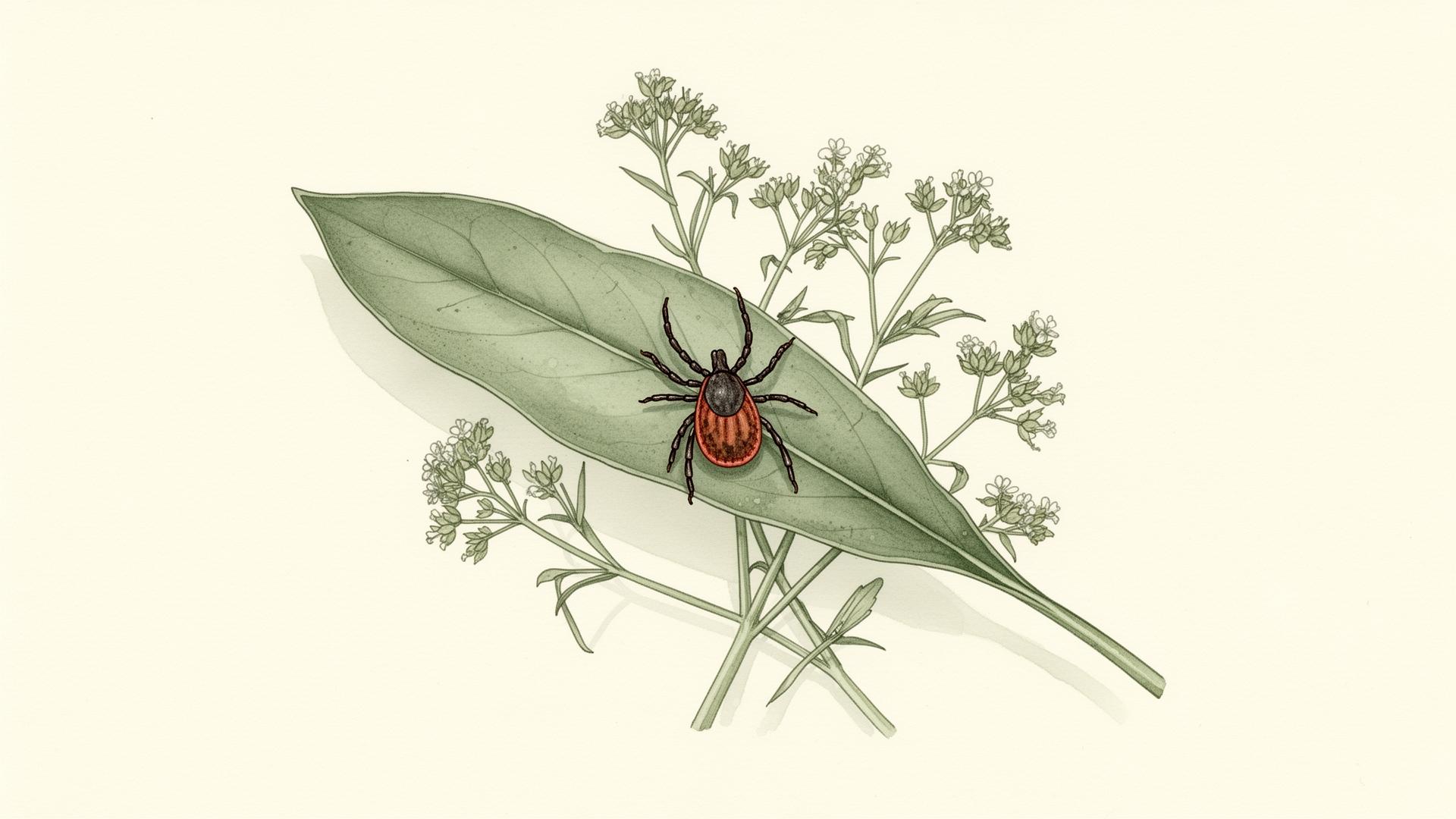
The tick is small.
The questions are not.
A clear-eyed guide to Lyme disease and its coinfections — and to the tangle of tests that try to confirm them. We give every assay a fair page, and we name our preferred direct method.
Editor's pick · Direct detection
DualDur sees the organism — not just its shadow.
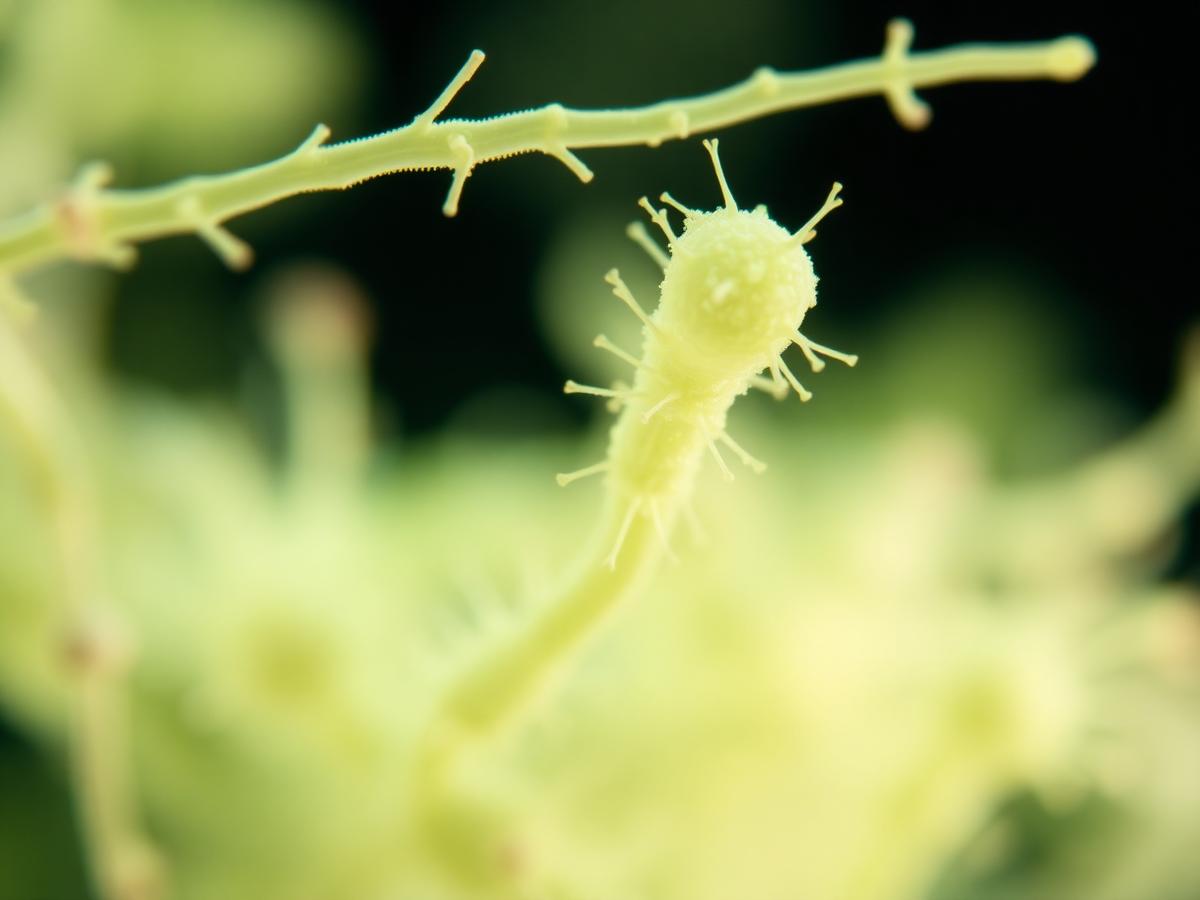
Most Lyme tests measure the immune system's response to Borrelia. DualDur looks for Borrelia itself. By enriching live spirochetes from a small blood draw and then visualising them under microscopy, it offers something the rest of the testing landscape cannot: photographic evidence of the pathogen.
- Detects
- Live Borrelia spirochetes & Bartonella, Babesia, Mycplasma, Ehrlichia and Anaplasma — all findings are photographed and shared with your results
- Sample
- Whole blood, ~20 mL
- Turnaround
- 2–3 weeks
The four families of tests
How testing for Lyme actually works.
Every Lyme test answers a slightly different question. Knowing which family a test belongs to is the first step to reading its result honestly.
Indirect Detection - looking for DNA of the pathogen
Looks for markers of the pathogen — hence an indirect test - A positive result is a good indication of an active or previousinfection.
Indirect / Serology
Measures the immune system's antibody response. Most widely available, but depends on a functional immune reaction. There is a high risk of false negative.
Cellular Immunity
Reads T-cell or cytokine activity against Borrelia antigens — useful when antibody tests stay silent.
Supporting & Clinical
Tests that don't diagnose Lyme alone but help build the clinical picture: coinfections, inflammation, organ involvement.
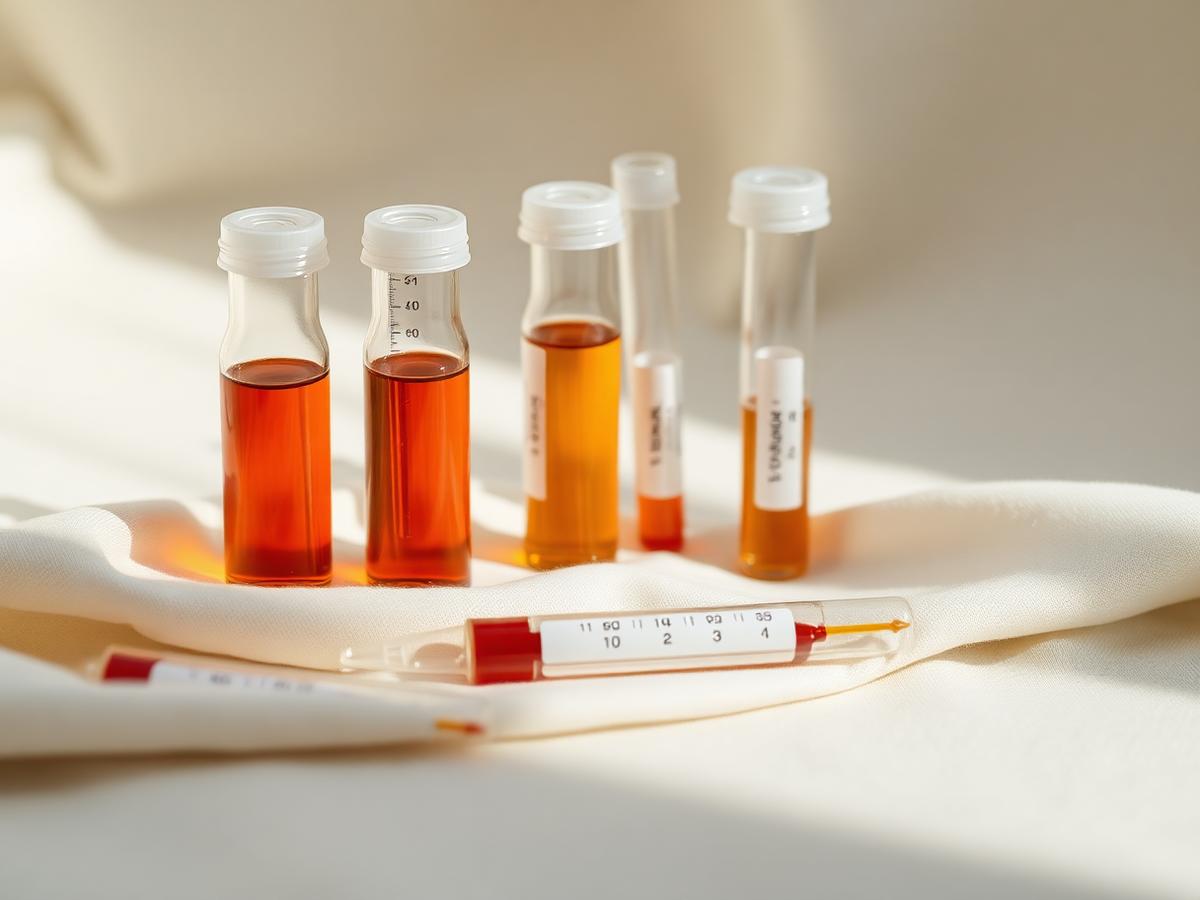
Plate II — Sample handling matters as much as the assay
Indirect testing — the antibody story
ELISA, Western Blot, IGeneX: the immune system as witness.
Serology is the most widely available — and most widely misunderstood — way to test for Lyme. It records the body's reaction to the organism, not the organism itself. Read carefully, it's useful. Read literally, it misleads.
Indirect / Serology
ELISA (EIA)
The standard first-tier antibody screen used in the two-tier CDC algorithm.
Indirect / Serology
Western Blot
Second-tier confirmatory antibody test reading specific protein bands. There are different Western Blot tests with different sensitivity.
Indirect / Serology
IGeneX ImmunoBlot
Expanded immunoblot covering multiple Borrelia species, including B. miyamotoi.
Indirect detection
Other ways to catch the organism itself.
Indirect Detection - looking for DNA of the pathogen
PCR — Borrelia DNA
Molecular amplification of Borrelia DNA from blood, tissue, or synovial fluid. DNA does not prove the infection is active.
Indirect Detection - looking for DNA of the pathogen
Borrelia Culture
Growing Borrelia in BSK-II medium — historically the gold standard for proof of life. This is not done commercially.
The travelling companions
Lyme rarely arrives alone.
Babesia, Bartonella, Anaplasma, Ehrlichia, Mycoplasma — the ticks that carry Borrelia often carry more. Testing for the coinfections changes the diagnosis, and changes the treatment.
Read the coinfection guide